
Why Does Drywall Crack Around Doors and Windows?
4 min Read
Table of Contents
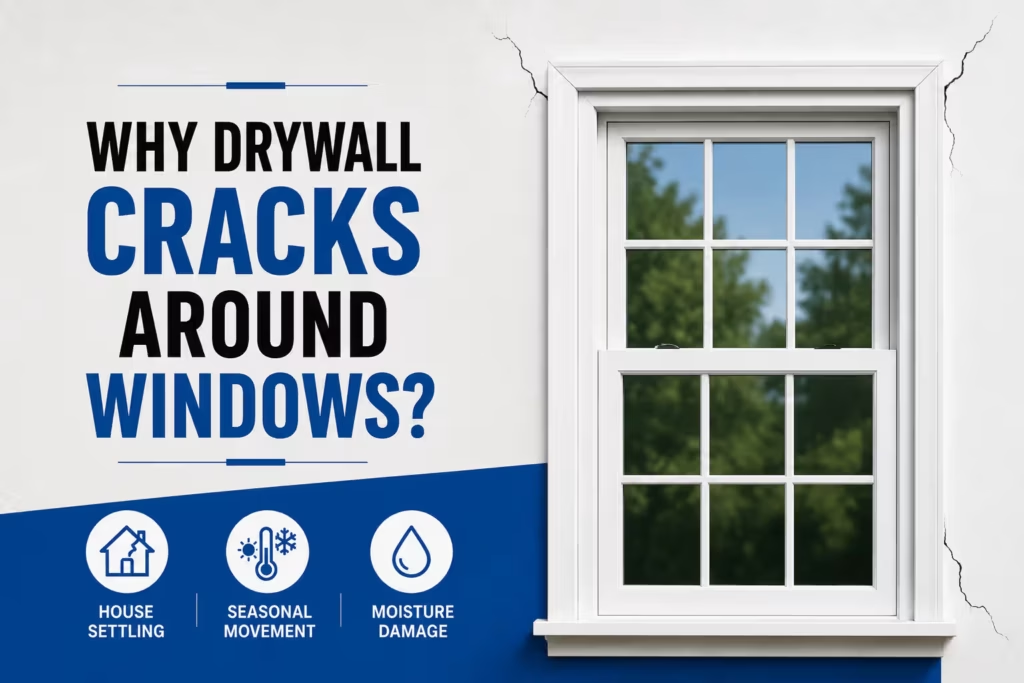
One of the most common questions we hear during drywall inspections is: Why Does Drywall Crack Around Doors and Windows? In our experience, these cracks usually develop because doors and windows are natural stress points where framing movement concentrates. Most are cosmetic and caused by normal house settling, seasonal expansion and contraction, or minor framing shifts rather than serious structural damage.
In our experience, homeowners who understand why cracks occur are more likely to choose the correct drywall crack repair method rather than repeatedly patching up the same area. We usually check the surrounding framing and drywall joints as well as trim, doors, windows and trim to see if there is any movement or if it has stabilised.
Quick Answer
Drywall cracks form due to stress concentration and movement around openings.
Cause | Common Location | Severity | Repair Needed? | Prevention Method |
House settling | Door corners | Low–Moderate | Yes | Proper framing |
Seasonal movement | Window edges | Low | Yes | Humidity control |
Poor finishing | Seams near openings | Low–Moderate | Yes | Quality taping |
Structural movement | Above headers | High | Yes | Structural repair |
Moisture damage | Window frames | Moderate | Yes | Waterproofing |
We often inspect cracks above door headers first because they reveal structural movement early.
Why Doors and Windows Crack More Often Than Other Walls
Stress cracks are often caused by the openings of doors and windows, which interrupt the wall’s structure.
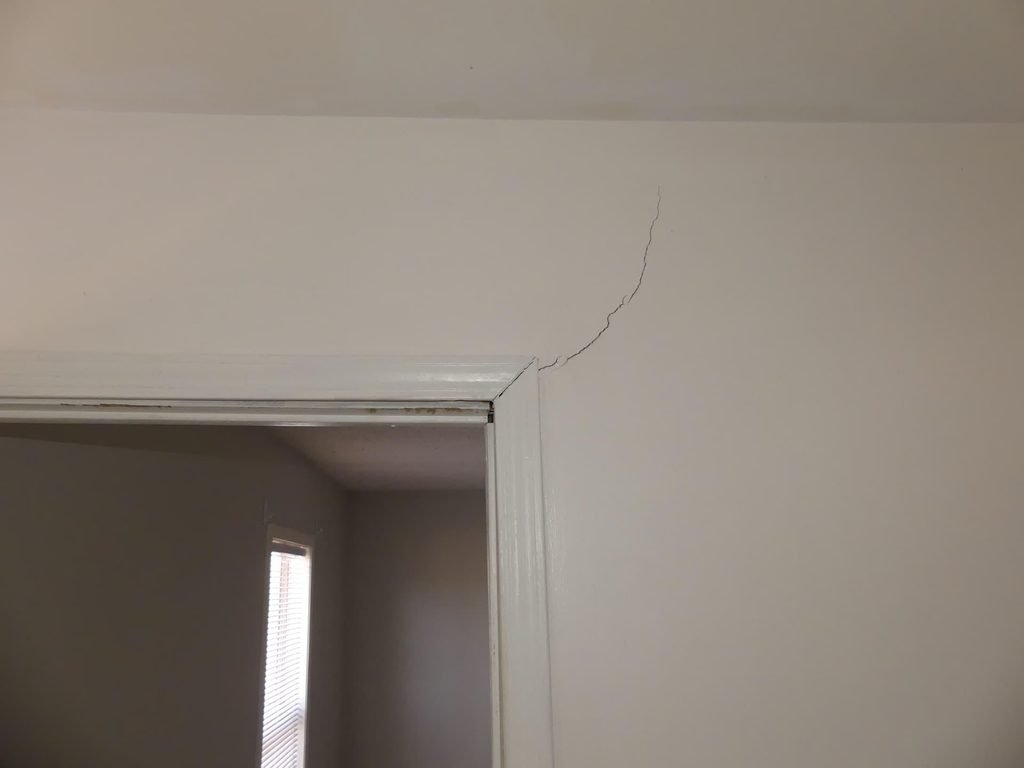
Every opening has a header and framing members as well as multiple joints which move independently. During many drywall inspections, we often see cracks beginning at the upper corners because these areas experience the greatest stress concentration.
Why these areas are vulnerable
- Interruptions in wall framing
- Header movement above openings
- Seasonal wood expansion and contraction
- Differential movement between framing members
- Drywall joints located near corners
- Repeated door operation creating minor vibrations
Area | Why Cracks Form |
Upper door corners | High framing stress |
Upper window corners | Header movement |
Side jambs | Minor wall movement |
Ceiling near openings | Roof and framing movement |
Normal House Settling Is Usually the Biggest Cause
Most hairline cracks appear because buildings naturally settle after construction.
New homes continue adjusting as the soil compresses and building materials dry. Even older homes experience gradual movement due to changing temperatures and humidity levels.
In our experience, homeowners often mistake normal settling for structural failure. Most hairline drywall cracks remain cosmetic unless accompanied by larger signs of movement.
Signs of normal settling
- Thin hairline cracks
- Cracks less than 1/8 inch wide
- No visible wall displacement
- Doors and windows operate normally
- Cracks stabilize over time
Signs settling may require further inspection
- Cracks continue widening
- Multiple cracks throughout the home
- Floors become uneven
- Doors begin sticking
- Windows become difficult to open
Seasonal Expansion and Contraction Creates Repeating Cracks
Seasonal Expansion and Contraction Creates Repeating Cracks
The movement of wood framing is caused by changes in temperature and moisture throughout the whole year.
Wood naturally absorbs water and releases it. Framing expands and shrinks with changes in humidity, and this stress is transferred to the gypsum joint and finished drywall.
We have discovered that the cracks are more likely to appear when weather conditions change seasonally than just after one event.
Common seasonal influences
- High indoor humidity
- Winter heating
- Summer moisture
- Temperature swings
- Roof movement
- Attic ventilation changes
Poor Drywall Installation Can Lead to Early Cracking
Cracks can appear sooner if incorrect installation techniques are used.
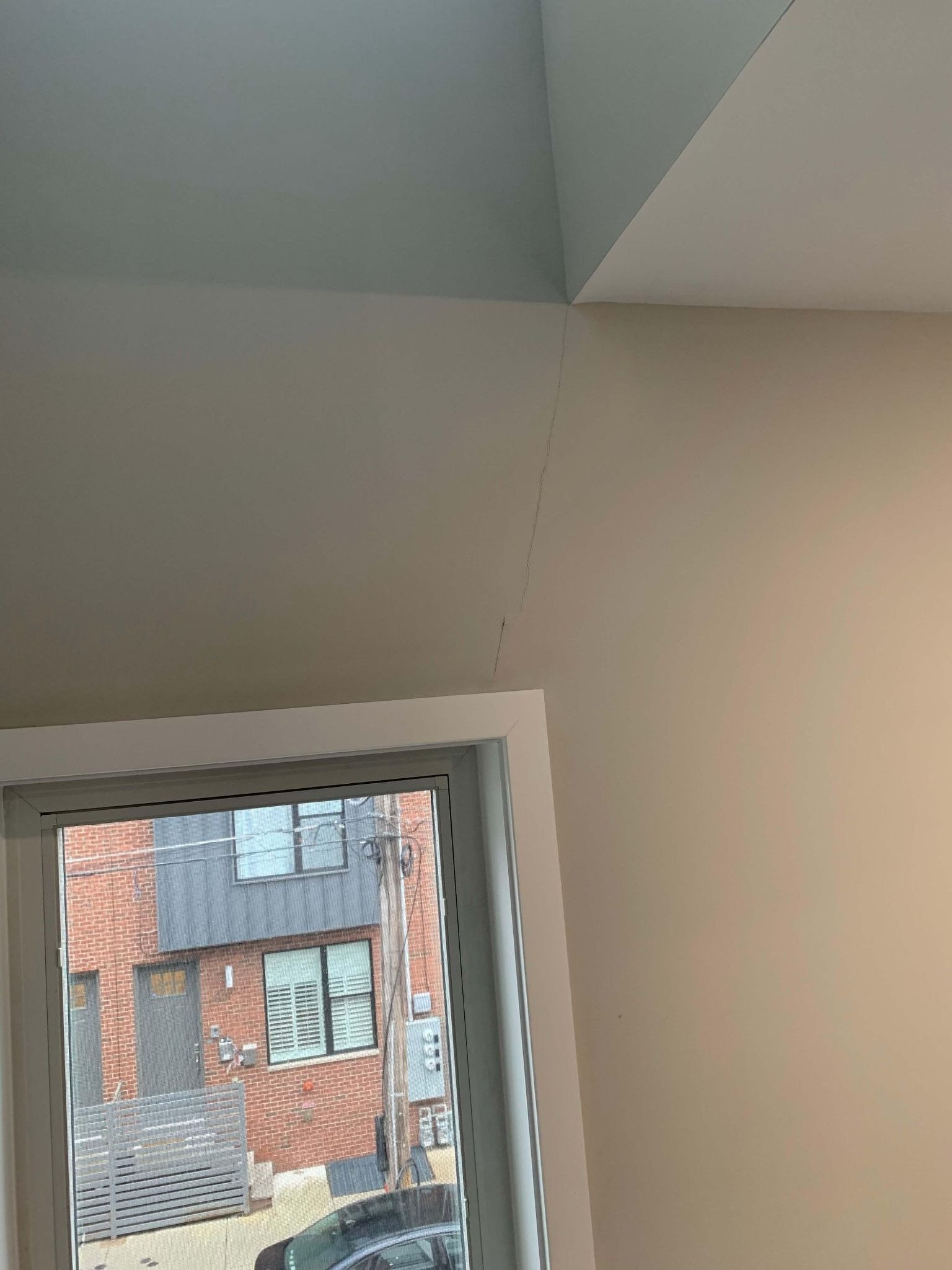
We often see improperly finished joints in drywall near windows and doors. Contractors should reinforce high-stress areas during drywall installation by using quality tape and proper fastening.
When possible, professional drywall contractors avoid placing seams at the corners of openings.
Common installation mistakes
- Drywall seams ending at window corners
- Insufficient screws
- Missing fasteners
- Poor drywall finishing
- Improper joint compound application
- Weak drywall tape adhesion
- Using mesh tape where paper tape performs better
- Poor corner bead installation
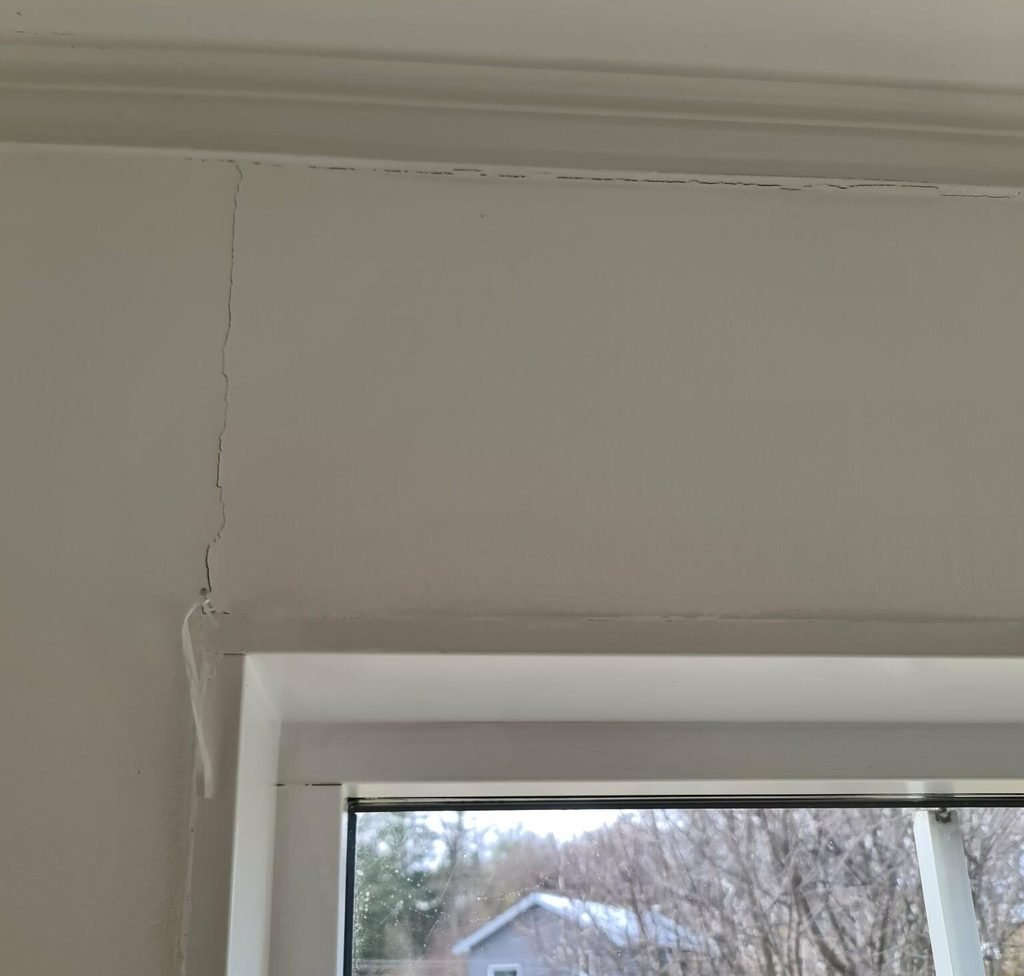
Framing Problems Can Create Larger Stress Cracks
Improper framing transfers excessive movement directly into drywall.
Drywall was not designed to accommodate structural movement. When wall framing flexes too much, the drywall is the first thing to show.
Framing problems are often overlooked by homeowners because the first thing they notice is a crack in their drywall.
Possible framing-related causes
- Undersized headers
- Twisted studs
- Improper wall framing
- Loose framing connections
- Foundation settlement
- Structural movement
If framing problems are suspected, repairing the drywall alone rarely provides a permanent solution.
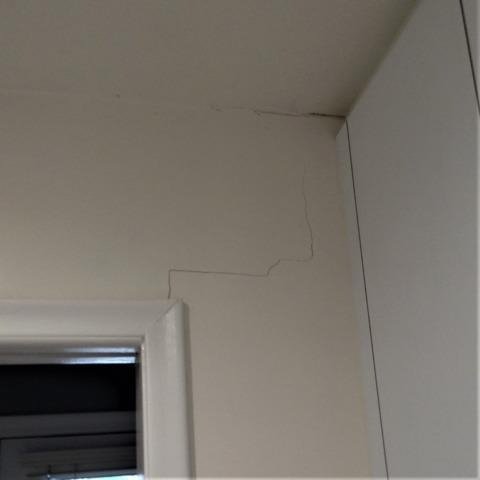
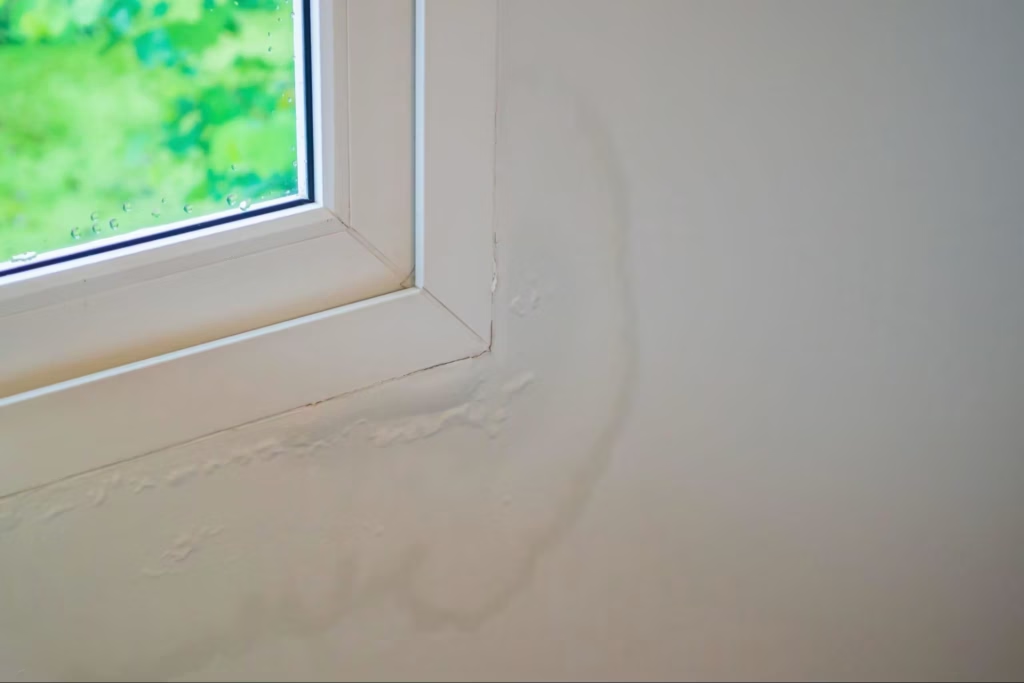
Moisture Can Weaken Drywall Around Windows
Water intrusion weakens drywall and increases cracking.
Leaks around window frames, roof flashing, or exterior siding allow moisture into the gypsum board. Wet drywall loses strength, making cracks easier to develop.
Before recommending repairs, we usually inspect for:
- Window leaks
- Roof leaks
- Condensation
- Soft drywall
- Mold
- Staining
- Peeling paint
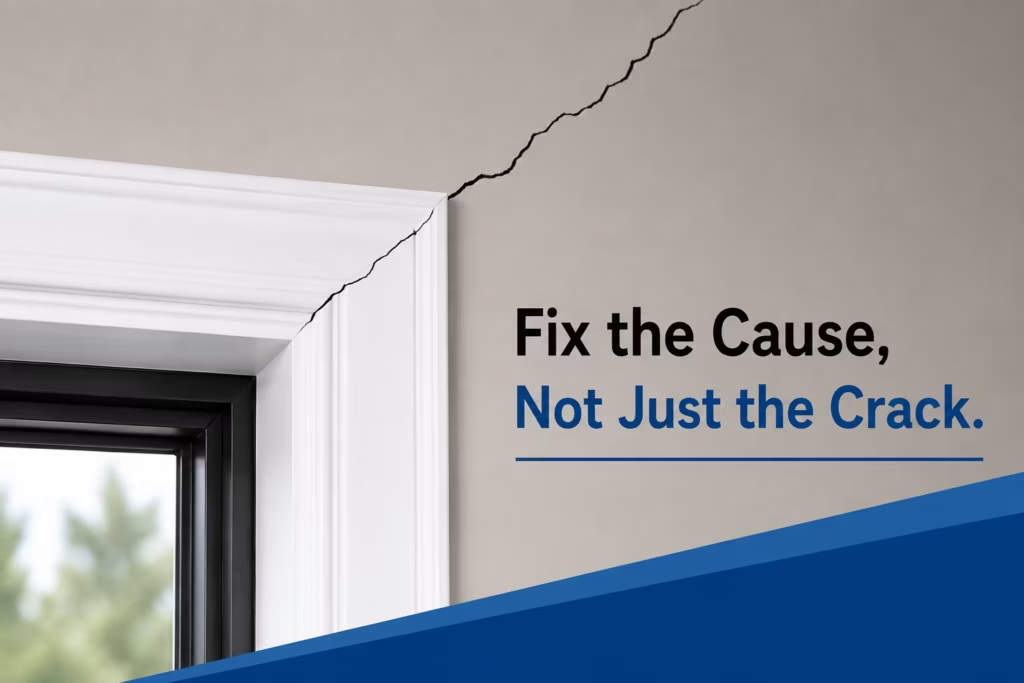
Cosmetic Crack or Structural Problem?
The majority of cracks are cosmetic. However, recurring movement requires professional assessment.
Cosmetic characteristics
- Hairline width
- Straight cracks
- Stable over time
- No sticking doors
- No floor movement
Structural warning signs
- Cracks wider than 1/4 inch
- Stair-step cracking
- Repeated reopening after repair
- Doors no longer close properly
- Visible wall movement
- Sagging ceilings
Cosmetic | Structural Concern |
Hairline cracks | Wide gaps |
Stable | Growing cracks |
Isolated location | Multiple affected walls |
Easy repair | Requires inspection |
How Professionals Repair Drywall Cracks
Repairs that last address the crack as well as the movement beneath it.
One of the biggest misconceptions homeowners have is believing that fresh paint alone fixes drywall cracks. Without properly reinforcing the joint, the crack often returns.
Professional repair process
- Inspect for movement.
- Open the damaged joint.
- Remove loose compound.
- Install new drywall tape.
- Apply multiple coats of joint compound.
- Sand smooth.
- Prime and repaint.
For recurring movement, flexible repair techniques may provide better long-term performance.
Preventing Future Cracks
Proper construction and maintenance significantly reduce future cracking.
Whether working on residential remodeling or commercial drywall installation, preventing movement begins long before finishing the walls.
Best practices
- Proper framing alignment
- Correct drywall layout
- Quality fastening schedule
- Proper paper tape installation
- Adequate drying between compound coats
- Moisture control
- Indoor humidity management
- Routine drywall inspection
Final Thoughts
Replacement costs for sliding doors in the year 2026 will depend on several factors such as material, size, and complexity of sliding door installation. Based on our experience, it is more prudent to go for quality material and installation, rather than taking the cheap route. This ensures that the investment pays off in the long run.
Frequently Asked Questions
The framing of a door is equipped with a structural head that supports loads above. Minor movements in this area can cause stress to be transferred into the nearby drywall joints.
Sometimes. Premature cracking can be caused by improper seam placement or fasteners.
Paper tape is preferred by drywall experts in high-stress areas because it provides a stronger bond when correctly installed.
Yes. Even though many commercial buildings are constructed with steel framing, they can still crack because of structural movement, expansion, or vibration in the building.
Leave A Reply
Share your thoughts below and let us know how we can help with your drywall installation or repair project.
Related Topics
Explore everything you need to know about drywall, from modern design ideas and practical applications to installation tips, maintenance advice, materials, and the latest trends.
Need Professional Service?
Get fast, reliable help with your drywall project, including professional installation, smooth finishing, quality repairs, and expert support from start to finish.