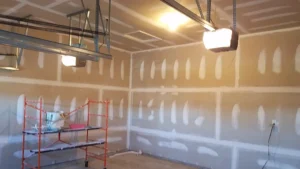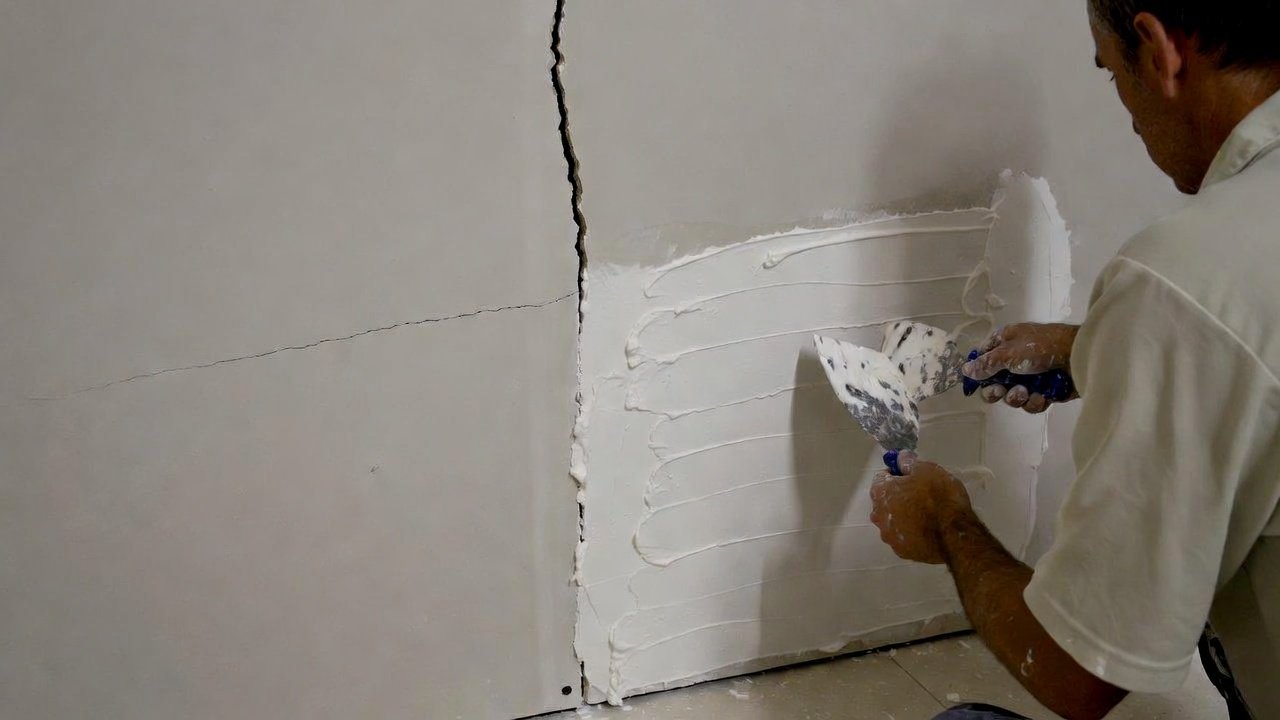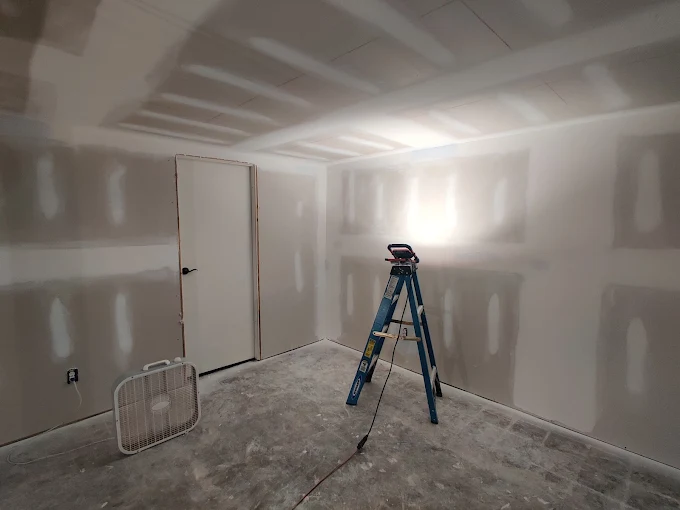
Walls do not come out perfectly flat. In most homes you will see some form of surface texture which ranges from very smooth to a light spray finish. As for repairs what we see as the main issue is not in the patching of the hole it is in the texture match. If the repaired area does not blend in with the rest of the surface the repair will stand out even after you paint. For proper drywall texture match the idea is to make the patched in section disappear which in turn will restore the overall uniform look.
Whether it is from water leaks, accidental holes, or a renovation project what you do know is that learning about drywall texture matching will save you time, money, and frustration.
Why Drywall Texture Matching Matters
Many home owners don’t realize how noticeable that which is out of place can be. Even a repair that is very flat will stand out if the surrounding wall has texture. With skilled drywall texture matching the original pattern is reproduced which in turn makes the repair to be almost invisible.
Poor texture blending can cause: Poor texturing transition can cause:.
- Visible patch outlines after painting
- Uneven light reflection across the wall
- Reduced property appearance
- Need for repeated repairs
Professional drywall texturing services that return the wall to like new condition, which is a must in living rooms, hallways, and ceilings where lighting brings out defects.
Common Wall Textures Found in Homes
Before carrying out drywall texture matching it is important to determine the present finish. Each texture type requires a different approach and tool.
Smooth Finish
A smooth surface has no texture. What we find is that to achieve perfect match of drywall texture on smooth surfaces is very difficult as imperfections stand out. The repair has to be sanded in to the surrounding area until it is flat.
In modern homes and luxury interiors we see lots of smooth finishes.
Orange Peel Texture
In residential construction Orange peel is very popular. It has a natural orange peel texture as it is named. In terms of drywall finish for that look, we apply a light coat mixed with a special powder and play with air pressure which in turn regulates the drop size.
Due to the subtle nature of orange peel texture even the smallest inconsistencies are noticed.
Knockdown Texture
Knockdown on this project is similar to that of an orange peel but we use a blade to flatten it out after application. For successful drywall texture match here it requires spray technique and timing the compound has to be applied when it is just right before it fully dries.
Other Textures
While sand and orange peel are the most common of texture for drywall, some homes have skip trowel or more heavy duty patterns. Each type requires its own special technique to reproduce properly.
Causes of Texture Damage
Walls may have drywall texture to which to match for out many reasons, including:
- Plumbing repairs inside walls
- Electrical installations
- Door knob impact holes
- Water damage restoration
- Crack repairs
- Remodeling changes
Even little anchor holes can mess up texture patterns so we may have to repair it for a professional result.
Tools Used for Drywall Texture Matching
Professionals use specific gear to reproduce present patterns. They use:
- Spray texture guns
- Hopper sprayers
- Joint compound mixes
- Texture rollers
- Taping knives
- Sanding tools
The key to great drywall texture match is control of thickness, spray pattern, and application distance.
Step-by-Step Texture Matching Process
Although which techniques to use may differ for each finish, in most cases drywall texture matching is a similar process.
Surface Preparation
The damaged area is prepped by cleaning and sanding, also we must remove all loose particles and dust for proper adhesion.
Priming the Patch
Primer also prevents that which we see as uneven drying. Out of this step drywall texture matching may see inconsistent results.
Applying the Texture
Using a spray gun or manual means the technician applies the compound in a pattern which matches that of the surrounding wall. We adjust pressure, nozzle size and mix consistency.
Blending the Edges
This is what you will do for drywall texture matching the new texture has to fade into the old one to avoid that which is obvious at the border.
Drying and Painting
After we dry it out we prime and paint the surface to match the wall color which in turn completes the drywall texture process.
DIY vs Professional Texture Matching
Many home owners try their hand at drywall texture matching in which they can mostly for small patches. Though there are DIY kits out there, to come out perfect is hard.
DIY Advantages
- Lower upfront cost
- Suitable for tiny repairs
- Readily available materials
DIY Challenges
- Matching spray pattern precisely
- Achieving consistent thickness
- Blending edges seamlessly
- Avoiding overspray mess
Professional texture work in drywall for better accuracy which is seen especially in ceilings and large surfaces where you can tell the mistakes.
Tips for Achieving Perfect Results
Whether you go with a contractor or do the repair work yourself, these tips improve drywall texture matching results:.
- Test out the texture on some leftover drywall.
- Observe the existing pattern closely
- Work up in layers of which are thin.
- Maintain consistent spraying distance
- Allow proper drying time
- Use good lighting to check blending
Patience is key. Haste brings about uneven results.
Cost of Drywall Texture Matching
Price of drywall texture to which your are matching varies by:
- Size of the repair area
- Type of texture
- Accessibility of the wall or ceiling
- Need for painting
- Labor rates in your area
Small repairs are of a low cost, but large ceiling projects may see a much greater expense due to the equipment and skill required.
When to Call a Professional
For the best results in:
- The repair area is large
- The wall has complex texture
- The surface is highly visible
- You want flawless results
- Previous DIY attempts failed
Experienced techs do a such great job that home owners won’t notice the repair.
Conclusion
Seamless wall repair is a process that goes beyond just filling in the gaps we also require the skills to match drywall texture exactly. From completely smooth finishes to that which is slightly textured in an “orange peel” sort of way, what we do is to make the repaired area blend in with the rest of the wall perfectly. Right preparation, the proper tools, and skill in application are what it takes to do the job right.
Whether do it yourself for the small jobs or outsource to a pro for larger scale work, putting out the money for great drywall texture replication pays off in terms of home’s appearance and value. A well done texture job makes the repair almost invisible which in turn leaves your walls to look as perfect as the day they got put up.