
Most wall problems don’t start big. They begin with small marks, light cracks, or bumps that seem harmless. Many homeowners look at these signs and think they’re nothing. Then weeks later, the crack spreads, the wall softens, or a stain turns into real damage. Drywall rarely hides its problems. It warns you early. The issue is that most people don’t know what the warning looks like.
This guide lays out that tell you a home needs drywall repair signs. No drama. No hype. Just the straight truth about what matters, why it matters, and what happens when you ignore it.
Why Drywall Damage Matters More Than People Think
Drywall is basically the facade, the vibe, and the power of a house’s inner side. When it gets compromised, the other parts usually take the blame. A tiny crack is not just a crack. It indicates that the frame is under stress. A little stain is not just a stain. It tells that water has traveled through the board. A mushy spot shows that the moisture has already done the damage to the inner part.
Drywall is not going to be a quitter overnight. It is putting on its warnings. Once you are aware of the signs, it is a little bit of a repair that is needed, you will see it very clearly.
Cracks That Spread Over Time
Cracks are basically the characters in horror stories that are most commonly held responsible. More often than not, they make their appearances next to doors, windows, edges, or seams. Quite a few homeowners have the habit of trying to cover them with paint. Paint is the one thing that never puts an end to a crack.
Cracks arise from situations such as stress, settling, temperature changes, and framing movement. When Mark saw for the first time a crack just above his bedroom door, he thought it was nothing. He painted over it. After two months the crack had doubled its length and also paint had been pulled away from the wall.
Wherever a crack goes and follows the rest of the wall it means that the drywall needs to be fixed. That leaving it there, letting it be, only gives it more space to evolve.

What to look for:
Lines that spread out or extend more
Cracks that keep appearing near the same place
Cracks that go along the joints where the drywall sheets are attached
Cracks in the form of “V” near windows and doors
Besides, cracks once started they are still there until the problem causing the cracks is figured out and the wall is mended properly.
Nail Pops That Keep Coming Back
Nail pops look small, but they tell a bigger story. These bumps or circles under the paint happen when a screw or nail backs out of the framing. It lifts the drywall slightly and creates pressure under the surface.
If you see one pop, expect more.
John noticed the first nail pop in his hallway. He ignored it. A few weeks later he counted eight more. That’s how these problems spread.
Nail pops come from:
Framing shift
Loose screws
Temperature or humidity changes
Poor installation in the past
Simply pushing the nail back or painting over it does nothing. The fastener has already lost its grip. The area needs proper repair.
Soft Spots Caused by Moisture
A soft spot is one of the clearest drywall repair signs that is no longer optional. When drywall gets wet, the core loses strength. It might still look solid, but it will feel weak when pressed lightly.
Soft spots often point to hidden leaks. One homeowner named Mark noticed a small soft section in his hallway. The surface looked normal, but the wall gave slightly under pressure. A plumber later found a slow leak behind the sheet. Had he not been touching the wall, he wouldn’t have known.
When the drywall is soft, it should be changed or mended. There is no mending that can restore a mending that has been weakened by drywall to its original strength.
Stains and Discoloration on Walls or Ceilings
Stains are not a matter of appearance only. Brown or yellow spots signify that water has gone through or has been against the drywall for a while. Even if the surface looks dry at the moment, the destruction has already taken place.
Stains show up from:
Roof leaks
Pipe leaks
Bathroom moisture
Poor ventilation
Flooding or overflow
Water spreads farther inside the wall than you can see on the surface. A small stain often hides a larger problem behind the sheet.
Ignoring water stains leads to:
Mold
Weak drywall
Musty odor
Ceiling sagging
Peeling paint or tape
One stain is enough to call for drywall repair.
A wall should look flat. Any bumps, dips, or ridges mean something is wrong. The most common reason is a tape issue. When the tape lifts or separates, the wall surface loses its clean look.
Uneven areas might also come from:
Bad installation
Shifting sheets
Poor finishing work
Damage under the paint
Painting over an uneven surface only makes it more noticeable. The surface has to be repaired, smoothed, and refinished.
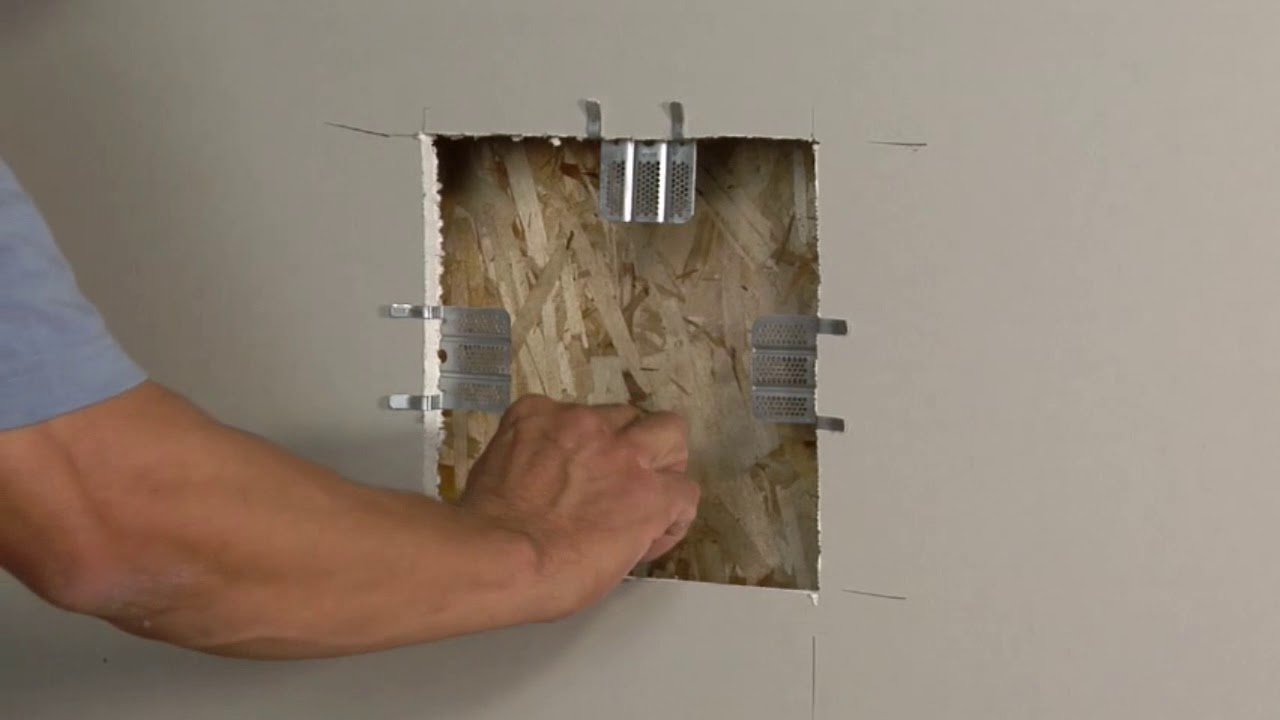
Holes of Any Size
Holes weaken the sheet around them. A small hole may look simple to patch, but the area can break down more if the edges are loose or cracked. A large hole always needs a proper repair, not a quick patch.
Typical causes of holes:
Door handles hitting the wall
Accidental impact
Furniture scrapes
Plumbing or electrical work
Kids or pets
A clean repair restores strength to the sheet. Leaving a hole open lets cracks spread around it.
Peeling Tape That Won’t Stay Down
Drywall tape sits over the joints between sheets. When the tape lifts, air or moisture has reached the joint. Once the tape starts pulling away, it never reattaches on its own.
Peeling tape can:
Expose seams
Make walls look uneven
Lead to larger cracks
Bring in more moisture
When John saw tape lifting in his living room, he tried pressing it back in place. It lifted again within days. Tape that pulls away has to be removed, the joint needs to be repaired, and the area needs fresh finishing.
Sagging or Bowing Sections
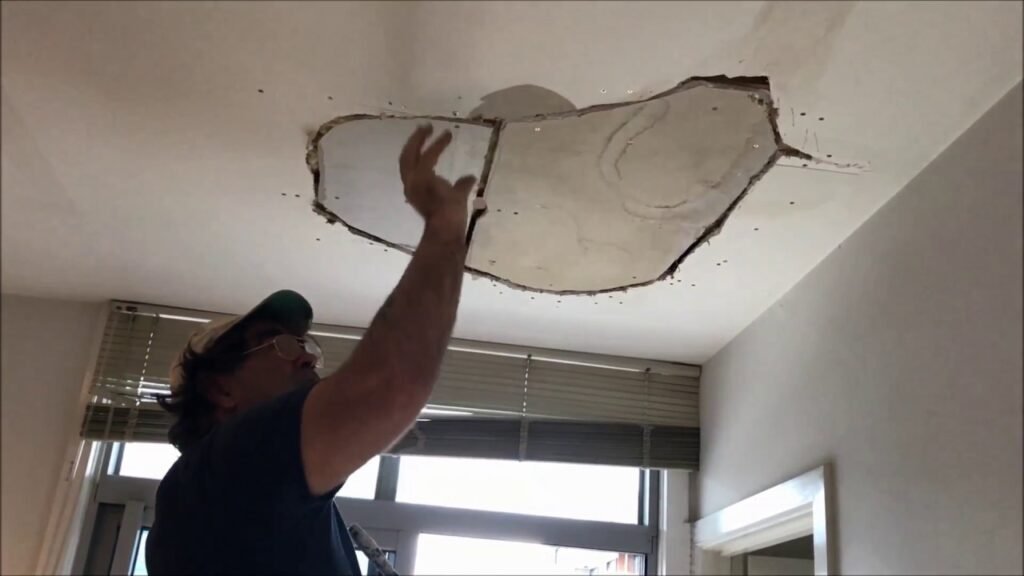
If a ceiling or wall looks like it is sagging or bowing, that is a serious sign. This usually means moisture has damaged the board, or the drywall is no longer attached firmly.
Common causes:
Leaks
Poor fastening
Heavy insulation pressing down
Humidity buildup
Sagging drywall is unsafe. It needs immediate repair.
Dust Build-Up and Surface Weakening
If you rub your hand across the wall and white dust comes off easily, the drywall is breaking down. This happens when the surface coating fails or moisture has been inside the sheet.
It becomes harder for paint to stick, and the wall loses its strength. Any wall that sheds dust needs repair.
Sound Changes Inside the Room
This is a sign most people don’t notice. When drywall weakens or becomes separated from the framing, sound inside the room changes. You may hear more echo, more hollow noise, or notice the room feels louder than before.
This happens when:
The drywall has pulled from the studs
The structure behind the wall has loosened
The board has cracked internally
It doesn’t mean the wall will fall, but it does mean the sheet is no longer secure.
Why Acting Early Saves Money
Drywall issues don’t go away. They always get stronger over time. Early repair:
Stops the spread
Prevents mold
Keeps the structure stable
Saves money on future work
Avoids replacing entire sections of wall
A small crack costs little to fix. A crack that spreads across the whole wall costs more. A water stain might only need one sheet replaced. A leak ignored can damage several rooms.
The earlier you repair, the less you spend.
How a Professional Handles Drywall Repair
A proper drywall repair follows a clear process:
Inspect the damaged area
Remove weak or loose material
Cut and stabilize the surrounding sheet
Repair or replace as needed
Apply new tape and compound
Sand the surface smooth
Prime and finish the wall
A good repair makes the damage disappear and restores the strength of the sheet.
Final Word: Don’t Ignore the Signs
Before drywall fails, houses give out various signs of distress. Cracks, stains, soft spots, nail pops, tape that is peeling, and surfaces that are not even are all different symptoms that have the same underlying cause – the wall is crying for help.
It is easy and simple to handle drywall repair signs if it is done early. It turns into a serious issue if the problem is forgotten. A wall can never be repaired by itself, and if you keep waiting, the destruction will spread to other rooms.