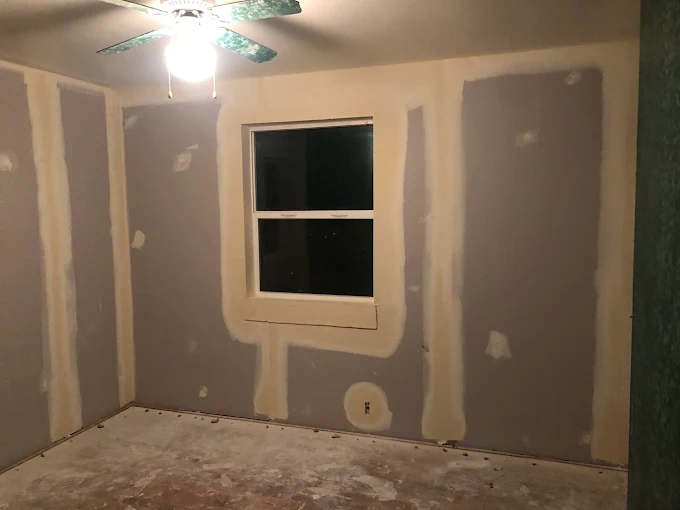
Drywall plays a huge role in how your home or commercial space looks and feels. Smooth walls, clean ceilings, and seamless finishes make everything from paint to lighting look better. But not all drywall work is created equal. At first glance, a wall may appear smooth and freshly painted. However, once the lights change or time passes, flaws often begin to show. This is when homeowners realize the drywall work was never truly finished, it only looked good. Knowing how to inspect drywall repair work like a professional can help you avoid costly repairs, repeated fixes and unnecessary stress.
When Drywall Work Is Only Surface-Deep
Many drywall problems don’t become visible at once. They can be noticed weeks or months later, particularly in cases of rushed or cheap work. Typical problems are:
Cracks coming back despite drywall crack repair
Uneven surfaces after drywall installation
Patch marks becoming visible through paint after drywall patch repair
Sagging or lines on ceilings afterdrywall ceiling repair
Texture mismatches resulting from poor drywall texture repair
Such problems generally indicate that the installers or finishers took shortcuts. Sadly, the owners of the house frequently find out this way after they have paid for the work.
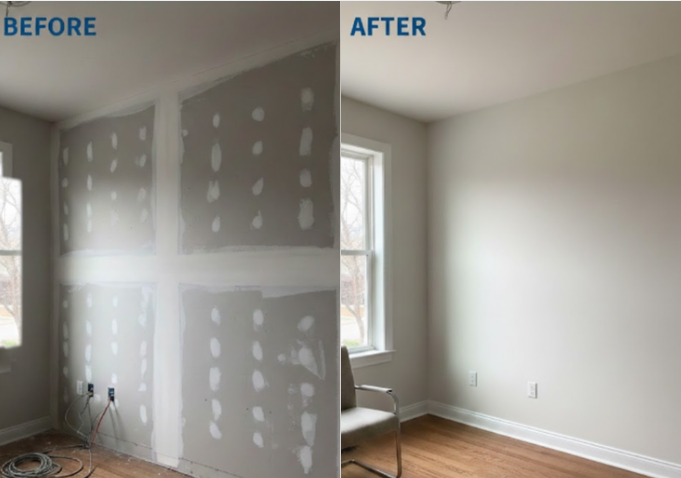
What Professional Drywall Work Really Involves
Professional drywall inspection is definitely more than just looking at the wall. Experts use tested methods to guarantee the drywall stays strong, smooth, and lasts for a long time.
Here are the most important inspection points professionals use:
Lighting Reveals Everything
One of the initial activities that experts undertake is examining drywall under a bright or slanting light.
Look for:
Dark areas or ripples across the surface.
Sanding marks if any can be seen Joints either raised or sunken.
Seams between the drywall panels are visible.
If the drywall appears uneven when light is directed at it from the side, the drywall finishing was not carried out properly.
Smoothness Should Be Consistent Everywhere
A thoroughly finished wall should be even and smooth from one corner to the other.
Gently touch the surface with your hand to sense if you find any:
Uneven areas
Dents or bumps
Sudden changes in texture
In proper drywall installation for new homes, uniformity is the major factor since paint and trim will just reveal the flaws.
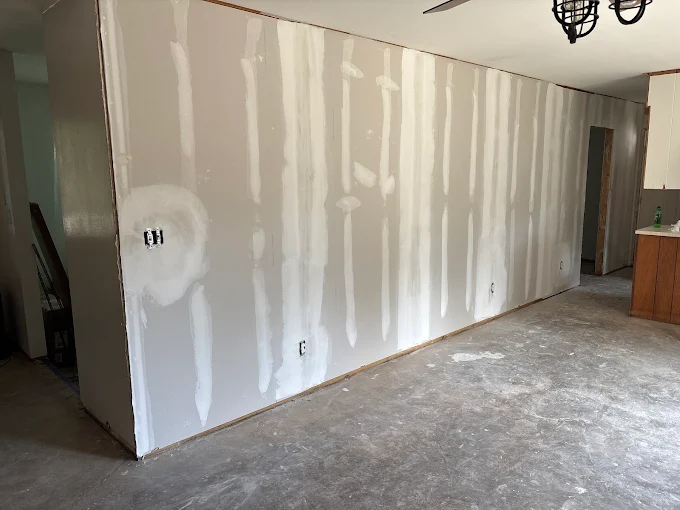
Seams and Joints Should Disappear
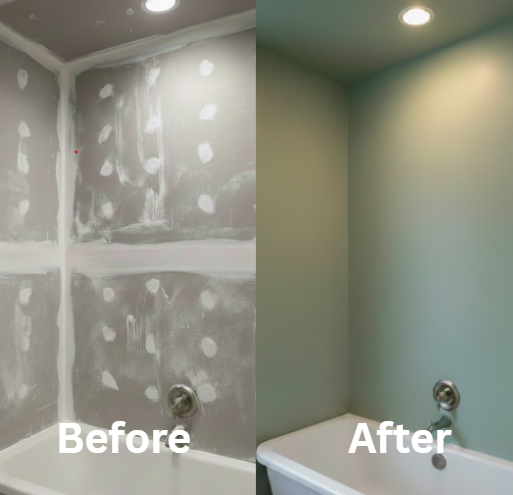
Drywall seams must not be visible after the finishing process.
Warning signs are:
Lines where panels meet
Joints cracking
The tape is visible through the paint
This issue is typical for the failure of drywall work both in homes and in the case of a commercial drywall repair, when big walls need accurate joint work.
Corners Must Be Strong and Straight
Corners are the places that experience the most stress and therefore the corners need to be reinforced properly.
Look for the signs of:
chipped edges
cracking at corners
crooked or wavy lines
Strong corners indicate professional mudding, taping and sanding key parts of long-lasting drywall repair.
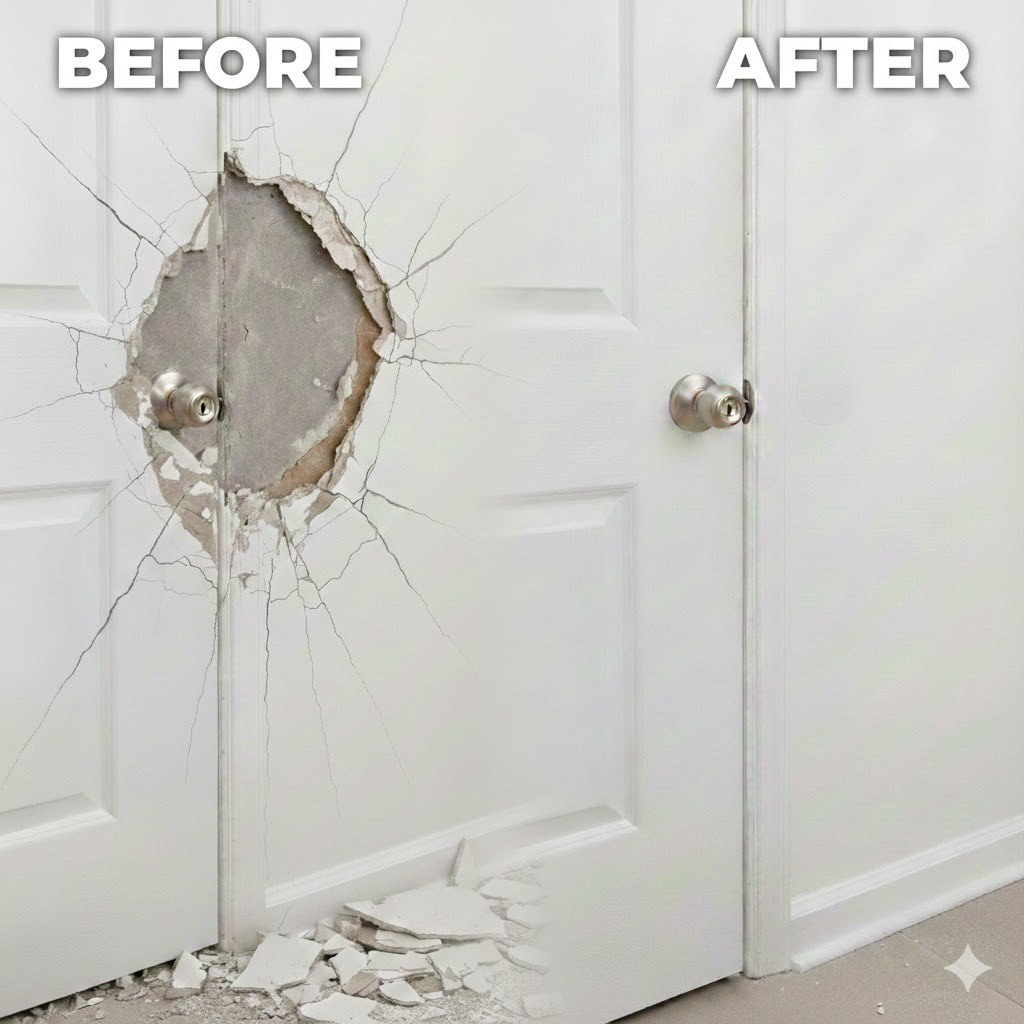
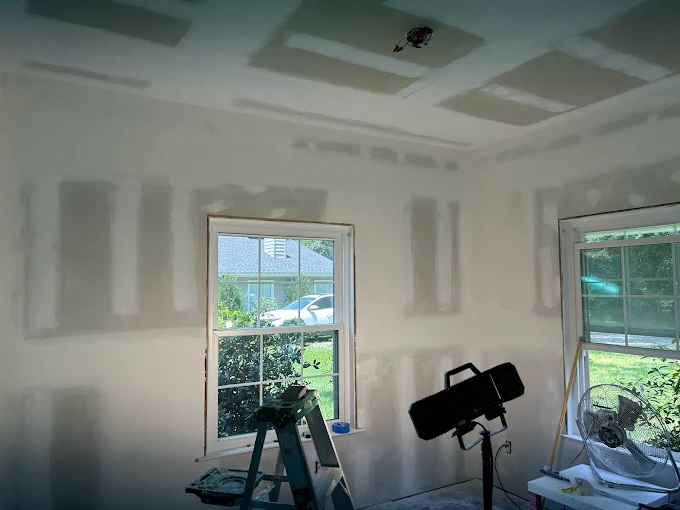
Patches and Repairs Should Blend Perfectly
A high-quality drywall hole repair or patch should completely blend with the surrounding wall.
Check for:
Patch outlines visible under paint
Differences in wall thickness
Uneven paint absorption
If a patch stands out, it usually means rushed work or insufficient layering during drywall patch repair.
Texture Must Match Exactly
Texture mismatches are one of the most obvious signs of poor drywall work. Professional drywall texture repair ensures:
Matching pattern and density
Smooth transitions
Consistent appearance after painting
Ceilings are especially unforgiving, making texture matching essential for drywall ceiling repair.
Test for Strength Not Just Appearance
Drywall should feel solid, not soft. Gently press on repaired areas to check for:
Movement
Soft or spongy spots
Weak backing
This step is crucial for drywall repair for water damage, where damaged drywall must be fully replaced and not covered.
Water-Damaged Areas Need Full Replacement
Drywall affected by moisture is rarely salvageable. Proper professional work includes:
Removing damaged sections
Addressing moisture sources
Performing full drywall replacement
Covering water-damaged drywall without replacement leads to mold, stains and structural failure.
CTA: Let us deliver smooth, durable and flawless drywall results
A Professional Drywall Inspection Checklist
Here’s a simple checklist to determine if drywall is truly finished:
- Smooth under natural and artificial light
- No visible seams, cracks, or tape
- Repairs blend seamlessly
- Texture matches surrounding areas
- Corners are clean and durable
- Surface feels solid, not hollow
If any of these fail, the drywall job may need professional correction.
Why Professional Drywall Services Save Money Long-Term
Many homeowners choose low-cost repairs, only to face higher expenses later. The cost to repair drywall holes or redo poor finishing often exceeds the cost of doing it right the first time. Professional drywall services provide:
Long-lasting results
Proper structural support
Clean sanding and dust control Durable drywall finishing
Accurate texture matching
This applies to everything from minor drywall repair to full drywall installation projects.
How Our Drywall Services Deliver Professional Results
Our drywall services are designed to meet professional standards, not shortcuts. We specialize in:
Drywall installation for new homes
Precision drywall crack repair
Clean and durable drywall patch repair
Expert drywall ceiling repair
Full drywall replacement
Advanced drywall texture repair
Reliable commercial drywall repair
Thorough drywall repair for water damage
Every project is inspected using professional techniques to ensure the drywall is truly finished, not just visually appealing.
CTA: Request a free estimate and professional inspection
Conclusion
Drywall work is more than just catching the eye momentarily. A truly skilled drywall professional’s work resists scrutiny, changing light, and daily wear for years. If you know how to check for smooth surfaces, invisible seams, sturdy repairs, and perfectly matched textures, you will be able to tell without hesitation a rushed job from one really finished. No matter if the work is minor drywall repair, intricate drywall finishing and complete drywall installation, the quality of workmanship is always crucial. Properly inspecting drywall is one of the ways of taking care of your investment, avoiding unnecessary repair costs later on and having your space looking its very best for a long time. Going for professional reliable contractors is the biggest factor if you want to have a worry free drywall job and a result that you can rely on. A job well done in drywall is not only pleasing to the eye but also continues to deliver its performance beautifully for a long time after the work is finished.
CTA: Contact us today for expert drywall services